Heritage Restoration Sioux Falls | Historic Brick & Masonry | Advanced Laser Restoration
Advanced Laser Restoration Sioux Falls, SD

Restoring History

through

Heritage Restoration Sioux Falls — Historic Brick, Stone, and Masonry Revealed Without Chemicals or Surface Damage

Sioux Falls has century-old brick, limestone facades, and historic masonry that has been buried under decades of paint, pollution, and bad decisions. We are the only laser restoration specialists within a 4-hour radius and we do what sandblasters and chemical contractors simply cannot: we return historic buildings to their original character without touching a single grain of the original material beneath.

0% Surface Damage
100% Chemical-Free
5.0 Google Rated
60mi Service Radius

The Approach

Every historic building is already exactly what it should be. It just needs someone with the precision to uncover it.

Traditional restoration treats a building's surface as a problem to fix something to sand down, chemically treat, or coat over. That is not restoration. That is renovation wearing a costume.

Laser heritage restoration works differently. We do not add anything. We do not refinish anything. We remove only what does not belong the paint, the staining, the decades of atmospheric contamination and leave the original historic material underneath completely intact. The brick restoration, masonry restoration, and architectural preservation happens because we had the precision not to touch what was already there.

That is the philosophy. And it is why historic building restoration in South Dakota has never had a tool like this before.

Historic Brick Restoration

Laser reveals the original fired brick surface beneath paint and contamination layers. Mortar integrity, original texture, and a century of character all intact. No abrasive ever touches the substrate.

Stone and Masonry Restoration

Limestone, sandstone, granite, and terra cotta respond to laser masonry restoration in ways no abrasive or chemical method can approach without permanent risk to irreplaceable historic material.

Architectural Detail Preservation

Carved details, corbels, keystones, and decorative stonework survive historic facade restoration completely unaltered. We work at the detail level, not just the broad surface level.

Chemical-Free Heritage Preservation

No runoff. No chemical penetration into porous historic masonry. Heritage preservation in South Dakota should protect both the building and every living thing around it.


The Honest Comparison

Why Traditional Historic Building Restoration Methods Keep Failing

Contractors who sandblast and chemically strip are not bad at their jobs. They just have the wrong tools for historic masonry and the damage they cause to irreplaceable material is permanent.

Sandblasting
Permanent Surface Damage
  • Destroys original fired brick face cannot be undone
  • Obliterates mortar joints repointing costs compound quickly
  • Opens pores in historic masonry to moisture and freeze-thaw cycles
  • Removes the patina that makes historic brick irreplaceable
  • Abrasive waste creates environmental contamination on-site
Chemical Stripping
Long-Term Substrate Damage
  • Chemicals penetrate porous historic masonry degradation continues after the job
  • Mortar absorption leads to structural weakening over time
  • Toxic runoff contaminates surrounding soil and drainage
  • Ghost images and residual staining on porous surfaces
  • Multiple applications rarely achieve complete removal
Laser Restoration
Zero Substrate Contact
  • Photon energy vaporizes contaminant only no contact with historic material
  • Mortar, brick face, and carved detail remain completely untouched
  • Zero chemicals, zero abrasives, zero water
  • Works on paint, carbon, biological staining, fire damage, and graffiti
  • Minimal cleanup the contaminant disappears, the building remains

The Process

How Laser Heritage Restoration Actually Works
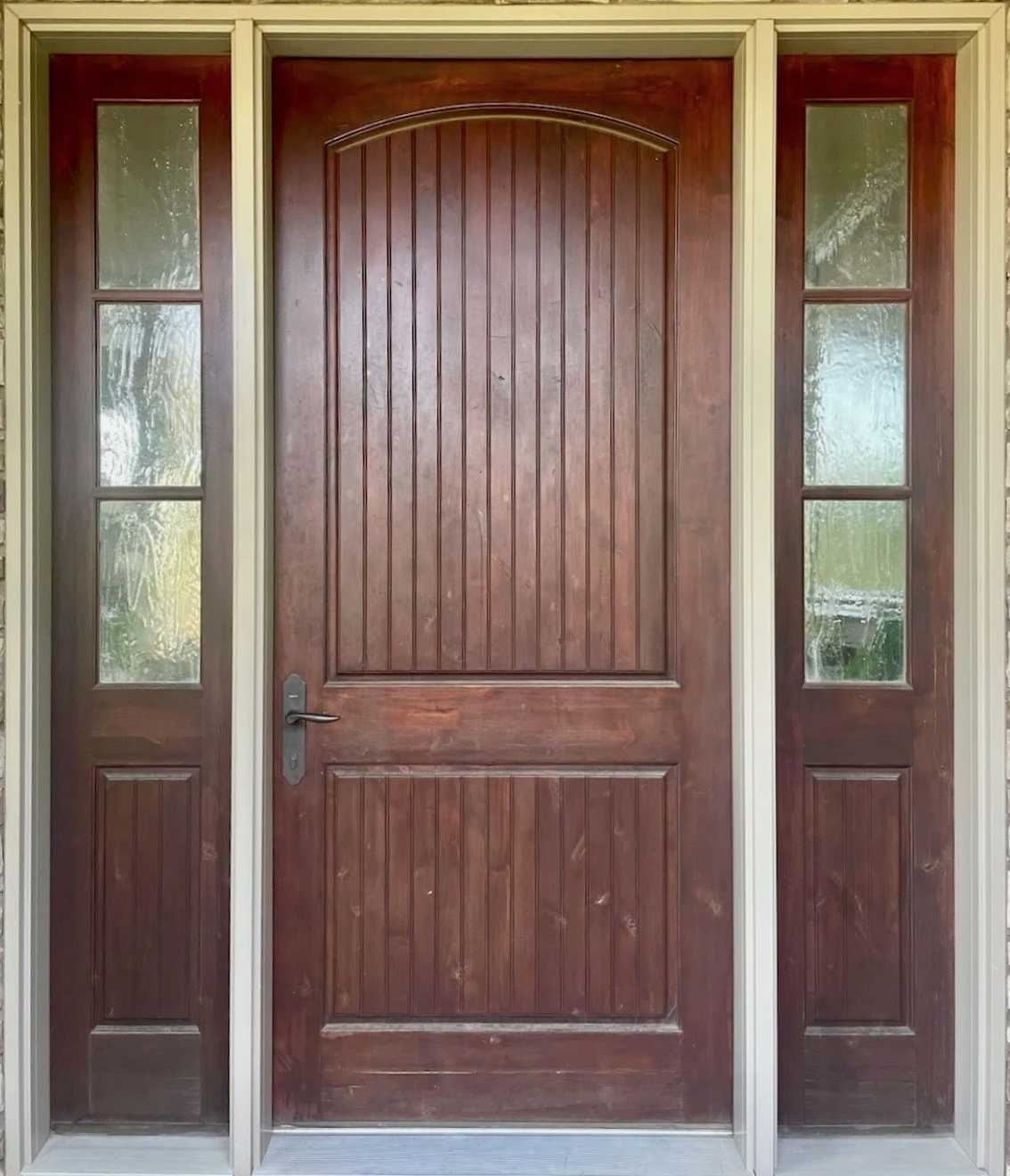
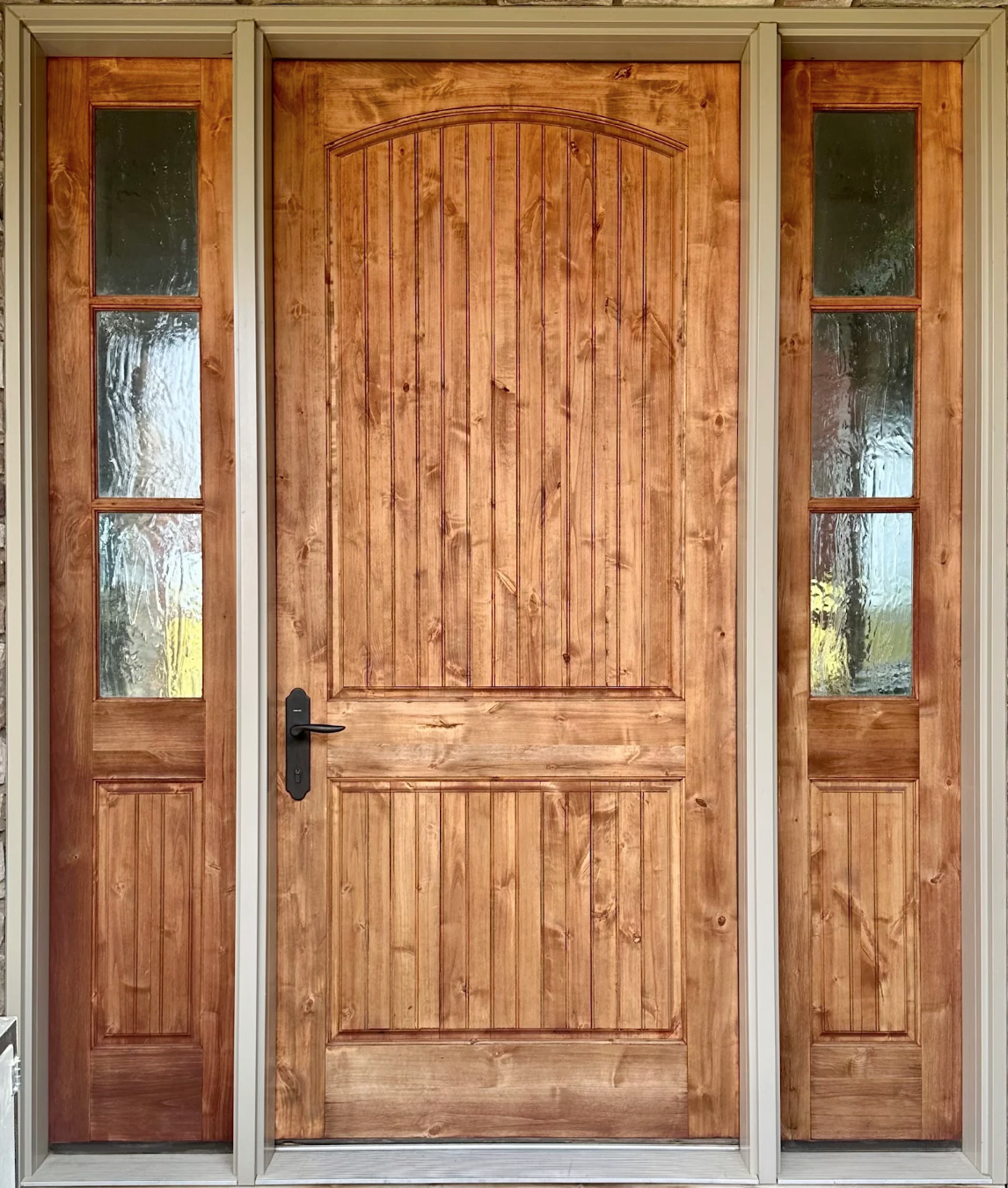
Historic door before laser restoration - paint and contamination covering original wood
Before
Historic door after laser restoration - original wood grain fully revealed
After
Process
  • 3 hours total
  • Laser wood stripping
  • Zero chemicals used
  • Paint only removed
  • 100% wood preserved
Result
  • Original grain revealed
  • Zero surface damage
  • No sanding marks
  • Ready for refinishing
  • Historic integrity intact
01

Historic Surface Assessment

We evaluate substrate type, age, porosity, contamination layers, and structural condition. Every historic building is different. Cathedral District limestone gets calibrated settings completely different from Victorian-era brick. Nothing is guesswork.

02

Precision Laser Application

The laser targets the molecular absorption profile of the contaminant only. Paint, staining, carbon deposits, biological growth all vaporized. The original historic masonry beneath absorbs nothing and loses nothing.

03

Layer-by-Layer Revelation

Decades of accumulated paint, contamination, and fire damage removed in sequence. The original architectural surface is revealed incrementally. We can stop at any point if unexpected original features emerge beneath the layers.

04

Clean Site, Complete Result

Vaporized material is collected. No chemical disposal, no water runoff, no abrasive cleanup. We leave with a restored historic building and virtually no trace of the work except a century of character revealed.


What We Restore

Historic Buildings, Masonry and Architectural Surfaces Across South Dakota

Laser heritage restoration applies differently to every surface and situation. Here is where it changes the outcome for buildings that traditional methods have been failing for decades.

Cathedral District Historic Properties

Sioux Falls' most architecturally significant neighborhood. Historic brick restoration and masonry cleaning for structures that survived a century and deserve to survive another one completely intact.

Historic Residential Facades

Century-old homes with painted brick, stone, and masonry exteriors. Architectural restoration that reveals the original facade character without a single abrasive touching the surface.

Commercial Landmark Buildings

Downtown facades, historic storefronts, and commercial landmark properties. Building restoration in Sioux Falls that increases property value by revealing what was always underneath.

Stone and Limestone Restoration

Limestone, sandstone, granite, and carved stone are the most sensitive historic materials and the most rewarding to restore. Stone restoration in South Dakota at the level these materials have always deserved.

Fire and Smoke Damage Restoration

Fire damage restoration on historic buildings is uniquely dangerous with traditional methods water risks further structural damage, chemicals penetrate compromised masonry. Laser removes soot completely without adding a single gallon of water.

Mold and Biological Stain Removal

Algae, mold, and biological staining on historic masonry. Pressure washing spreads spores. Bleach degrades mortar. Laser eliminates biological growth completely with zero chemical runoff and zero substrate contact.


Market Position

The Only Laser Heritage Restoration
Specialist Within 240 Miles of Sioux Falls

When a historic building in Sioux Falls needs real restoration not a compromise, not a sandblaster's best approximation there is one call to make. Alex Johnson and the ALR team have built something the region has never had: a precision laser restoration capability purpose-built for the kind of historic architecture South Dakota has and too often loses.

Cathedral District Downtown Sioux Falls All Saints Neighborhood McKennan Park Terrace Park Historic District SD 60-Mile Service Radius

20 Questions

Everything You Should Know About Historic Masonry

Straight answers about historic buildings, masonry deterioration, and restoration. No sales pitch.

The Buildings
Historic brick, typically fired before 1920, is softer, more porous, and shows natural variation in color, size, and texture. Modern replacement brick is more uniform, harder, and often slightly different in tone from the surrounding original material. Look at mortar joint profiles and composition: older buildings used lime-based mortars that are softer than the brick itself, while modern construction uses harder Portland cement mortars. If you see areas of brick that look suspiciously consistent or slightly off-color against an otherwise varied facade, that is almost certainly replacement material.
Spalling is caused by moisture penetrating the brick and then expanding as it freezes, breaking off the outer face. On painted historic buildings this process is often accelerated because paint traps moisture inside the masonry rather than allowing it to breathe and evaporate naturally. Once a brick has spalled, that portion of its original fired face is gone and cannot be restored. However, arresting the moisture source and removing surface coatings that trap water can stop further spalling from occurring.
Repointing is removing deteriorated mortar from joints and replacing it with new mortar to restore structural integrity and weatherproofing. Tuckpointing is a specific finishing technique where a thin ribbon of contrasting colored putty is inlaid into the mortar joint to create the illusion of very fine, precise joints — a decorative masonry technique seen primarily on high-end historic buildings. Most people use the terms interchangeably, but they are not the same thing. If a mason offers you tuckpointing on a standard historic building, clarify whether they mean structural repointing or the decorative technique.
Well-maintained historic masonry can last several centuries. The brick in many Sioux Falls buildings fired in the late 1800s and early 1900s is structurally sound today and has no reason it cannot last another hundred years or more. The weak points are almost always the mortar joints, which typically need repointing every 25 to 50 years depending on exposure, and the surface treatments applied over the decades. Paint and sealers accelerate deterioration by trapping moisture. Masonry that has been allowed to breathe tends to outlast everything built around it.
That white residue is efflorescence. It forms when water moves through masonry, dissolves soluble salts within the brick or mortar, and deposits those salts on the surface as the water evaporates. It is extremely common on older brick buildings in climates with freeze-thaw cycles like South Dakota. Efflorescence itself is not structurally damaging, but its presence indicates that moisture is actively moving through the masonry — the underlying problem worth addressing. Pressure washing typically spreads the salts rather than removing the source. Laser restoration removes the deposits without introducing additional water into the masonry.
Paint & Coatings
Historic brick is significantly more porous than modern brick. The firing temperatures and clay compositions used in earlier kilns produced a brick that absorbs paint deeply into its surface structure rather than just coating it. On modern dense brick, paint sits relatively close to the surface. On century-old brick, paint can penetrate several millimeters into the material. This is precisely why methods that work adequately on modern brick — pressure washing, chemical strippers — often leave ghost images on historic brick even after multiple treatments.
In almost every case, yes, particularly for historic buildings and properties in established neighborhoods. Exposed original brick is consistently valued more highly than painted brick by buyers, appraisers, and commercial tenants. The revealed material tells a story of age and authenticity that no coating can replicate. The caveat is that the method of removal matters enormously — brick damaged by sandblasting loses value, while brick correctly restored to its original surface gains it.
Yes. Paint and sealers applied to masonry prevent the natural moisture vapor transmission that brick is designed to allow. When moisture gets into the wall assembly — as it always eventually does through windows, rooflines, or ground contact — it cannot escape through the painted face. It accumulates, causes freeze-thaw spalling, accelerates mortar deterioration, and can contribute to mold growth within wall cavities. Many historic buildings that appear structurally sound on their painted exterior have significant hidden deterioration occurring behind the coating.
A ghost image is a shadowy impression of the original paint that remains visible on the brick surface even after the paint has been removed. It happens because paint pigments and binders penetrate into the porous structure of historic brick, staining the material itself rather than just coating the surface. When the paint film is removed mechanically or chemically, the staining that has been absorbed into the brick remains. Ghost images are the signature failure mode of chemical stripping and pressure washing on historic masonry.
A building that has been continuously owned and maintained over a century can accumulate anywhere from five to twenty or more individual paint layers. Each ownership transition, renovation, or repainting campaign adds another. The oldest layers are often oil-based lead paints that adhered extremely well to the porous historic brick. Buildings painted in the mid-20th century often have layers of multiple distinct paint chemistry types stacked on top of each other, each with different bonding characteristics, making uniform removal with any single chemical or mechanical method extremely challenging.
Damage & Contamination
The black and dark grey staining on historic masonry is typically caused by a combination of biological organisms: black algae, cyanobacteria, and fungi that thrive on the mineral-rich surface of historic stone and brick. These organisms embed themselves into the porous surface structure, making them resistant to simple washing. Atmospheric pollution deposits — particularly carbon particulates from decades of vehicle and industrial emissions — also contribute significantly. The biological organisms often use carbon deposits as a food source, creating a combined contamination layer that protects itself from weathering and light.
In most cases, yes, depending on the severity and duration of fire exposure. Smoke and soot contamination, even when heavily embedded in historic masonry, responds well to careful restoration. The main concern with fire-damaged historic brick is whether intense heat has caused vitrification or structural changes to the brick itself. Brick exposed to temperatures above approximately 600 degrees Celsius can undergo permanent color changes and structural weakening that cannot be reversed by any surface treatment. A thorough assessment of fire-damaged masonry should evaluate both the surface contamination and the structural integrity of the brick separately.
The freeze-thaw cycle is the repeated process of water entering porous masonry, freezing and expanding as temperatures drop below 32 degrees Fahrenheit, then thawing and contracting as temperatures rise. Water expands approximately nine percent when it freezes. In porous historic brick, this creates hydraulic pressure within the pore structure that fractures the material from within over repeated cycles. South Dakota’s climate, with significant temperature swings across the shoulder seasons, makes this one of the primary deterioration mechanisms for historic masonry in the region. Any surface treatment that traps moisture inside the masonry accelerates this damage significantly.
Yes, particularly at the pressures required to actually clean contaminated historic masonry. The softness and porosity of pre-1920 brick makes it vulnerable to erosion from high-pressure water. Pressure washing at effective cleaning pressures erodes the mortar joints, removes the original fired surface of the brick, and drives water deep into the masonry where it can cause freeze-thaw damage. Low-pressure washing is largely ineffective at removing embedded biological staining or paint. The pressure needed to clean the surface is high enough to damage it — a difficult middle ground that makes pressure washing a poor choice for historic masonry.
Mold spores and algae cells are present in the atmosphere everywhere. When they land on the mineral-rich, porous surface of historic masonry in the presence of moisture, they germinate and begin growing hyphae — microscopic root-like structures that penetrate into the pore network of the brick or stone. Once established, these organisms are not a surface phenomenon. Their root structures extend millimeters into the masonry, which is why surface cleaning methods that only address visible contamination consistently see regrowth within one to two seasons.
Preservation & Process
These terms are used interchangeably but have distinct meanings in the preservation field. Preservation focuses on stabilizing existing historic fabric and preventing further deterioration with minimal intervention. Restoration returns a structure to a specific historic period, potentially removing later additions and repairing or replacing deteriorated elements to match the original. Renovation or rehabilitation adapts a historic building for contemporary use, which may involve significant modifications while retaining character-defining features. The Secretary of the Interior’s Standards for the Treatment of Historic Properties defines each approach in detail.
The Secretary of the Interior’s Standards for the Treatment of Historic Properties are the federal guidelines governing how historic buildings and sites should be treated. Established by the National Park Service, they define four treatment approaches: preservation, rehabilitation, restoration, and reconstruction. The Standards emphasize using the gentlest effective means to accomplish preservation work and avoiding removal of historic fabric. For masonry specifically, the Standards recommend methods that do not damage the historic substrate — explicitly excluding sandblasting and recommending caution with chemical treatments on porous historic masonry.
No. The Secretary of the Interior’s Standards and sound preservation methodology apply to any historic building regardless of registration status. National Register listing is required to access federal historic tax credits, and local historic district designation may trigger review requirements for exterior changes. But the technical standards for treating historic masonry without causing damage are the same whether your building is individually landmarked, in a historic district, or simply an old building you want to maintain properly.
Permit requirements vary by municipality and scope of work. Surface cleaning of a historic facade generally does not require a building permit in most South Dakota jurisdictions. If the building is within a designated local historic district or subject to a historic overlay zone, exterior work may require review and approval from a historic preservation commission before work begins. Buildings using federal or state historic tax credits are subject to review by the South Dakota State Historical Society. When in doubt, contact your local building department and the South Dakota State Historical Society before beginning facade work on a historic property.
The ideal window in South Dakota is late spring through early fall — roughly May through September — when temperatures consistently remain above 40 degrees Fahrenheit and freeze-thaw cycles are not a concern. Mortar, if repointing is required alongside surface restoration, needs sustained temperatures above 40 degrees to cure properly. Surface restoration work itself is less temperature-sensitive, but working conditions, material performance, and the ability to assess results are all better in moderate temperatures. Plan major masonry restoration projects for the warmer months and use the winter to assess, plan, and select contractors.


“I had been told for years that the paint on our building’s brick couldn’t be fully removed without damaging what was underneath. Alex proved every one of them wrong. The original brick is perfect.”
— Property Owner, Cathedral District
★★★★★

What Is Under There Is Worth Revealing.

Free consultations. No obligation. We will assess your property, tell you exactly what laser restoration can uncover, and give you a straight quote. If we cannot improve it, we will tell you that too and point you in the right direction.

100% Chemical-Free
Zero Surface Damage Guarantee
5.0 Google Rated
Only Provider Within 240 Miles